Fountain of Youth

“Nature is not only stranger than we suppose, nature is stranger than we can suppose.”   J.B.S. Haldane, Possible Worlds, 1927

*********

This story concerns my best recollections from late 2011 through the spring of 2012, nearly seven years after my wife Lynn’s stroke.

At that time my Dad was living in a retirement community in the midwest. One day we got the dreaded phone call – at age 91, my father had broken his hip. The person on the phone sounded very concerned. She told me in no uncertain terms that for a man of his age, this was indeed a serious injury.

We soon learned that, in fact, it wasn’t that “he fell and broke his hip.” Instead, the evidence suggested quite the opposite: as he was walking in the hallway, his hip broke, so he fell down. We started right away making plans to go visit.

Regardless of how it happened, our concern was his path to recovery: How resilient could he be? Even though Dad was remarkably active and fit (he was still playing ice hockey in his early 80’s) we knew the odds were stacked against him.

The statistics are grim. In one study of over 400 elderly hip fracture patients during 1999-2000, 84% of men died within seven years of the repair surgery. Among men who suffer a hip fracture at 65 or older, life expectancy declines steadily with age: at age 70, men live about four years beyond the fracture, roughly two years at age 80, and at age 90, men survive just slightly over one year.

Recovery from a hip fracture can take months. There can be significant loss of muscle in the legs and hips, impaired balance, and as a result, increased risk of another fall. In addition, decreased mobility, loss of independence and other long-term complications such as infection, pneumonia, or blood clots can make matters worse. So, for most older men, breaking a hip is essentially a death sentence, a matter of how soon the collective stress of injury becomes insurmountable.

*********

When we arrived at his room, Dad was dozing, but our voices woke him up. His eyes scanned the room to make sense of the scene before him. The last time he had seen Lynn, she was in her wheelchair, paralyzed on her left side. Now as she walked in with a cane under her own power, his jaw dropped.  After a moment of stunned silence, he stammered, “If she can do it, I can do it!” 

That must have been a moment of deep clarity for him, a sharp flash of reckoning about his own predicament: he could let nature take its course, or he could put his shoulder to the wheel of recovery insisting “Not yet, not now!”

How does the human body actually heal itself after a fall?

One widely-held view is that, when it comes to healing living tissue, recovery is basically analogous to repairing a car or some other mechanical device.  When a part has been damaged or has failed, replacing or repairing that part usually restores normal operation. By analogy, then, living organisms simply “flip a switch” to activate repair processes (control inflammation, reduce swelling, seal the surface wound…) that ultimately lead to recovery and restore function. As it turns out, this notion is rather simplistic and misleading. 

In fact, living organisms constantly rebuild and renew themselves, even without any injury. As a matter of course, living creatures continually produce new components to replace old or damaged ones. This ongoing replenishment1, a hallmark of life, enables a vast array of responses to stress or injury. 

For example, in healthy human skin, a layer of hardened, packed dead cells on the skin surface helps to seal the skin. Old surface cells (epidermis) are shed, and replaced by new skin cells from the dermis layer below. This cycle of renewal contributes to the body’s defenses against infection, injury, or skin damage.

This situation bears little resemblance to a car. A car does not replace its own surface from within. A car does not have a basal metabolism while sitting in the garage. The car does not burn fuel constantly to make its own new parts and replace them. It is not alive.

Initially, just after the hip replacement, Dad was bedridden, except for physical therapy several times each day. But within a few weeks he was able to walk 400 feet with a walker, and he was walking with a cane by the time he returned to his apartment some six weeks after the surgery. 

On subsequent visits, Lynn and I saw that on the walls of the den in his apartment he had posted photos of her riding her 3-wheeler. And during those last years he remarked more than once, “Lynn has taught us all a great deal about what it means to be disabled,” or words to that effect.

After his hip surgery Dad lived more than five years, almost to his 97th birthday, and it was only very near the end that he lost his mobility. So much for statistics.

I regret that before he passed away I never was able to discuss with Dad what went through his mind on that day, nor how his thought processes shifted in the coming years. But Dad was a private, reticent person, and he rarely talked about personal matters or revealed his inner thoughts. I am certain, though, that seeing Lynn walking again after nearly six years in a wheelchair was his impulse to take one more drink from the fountain of youth.
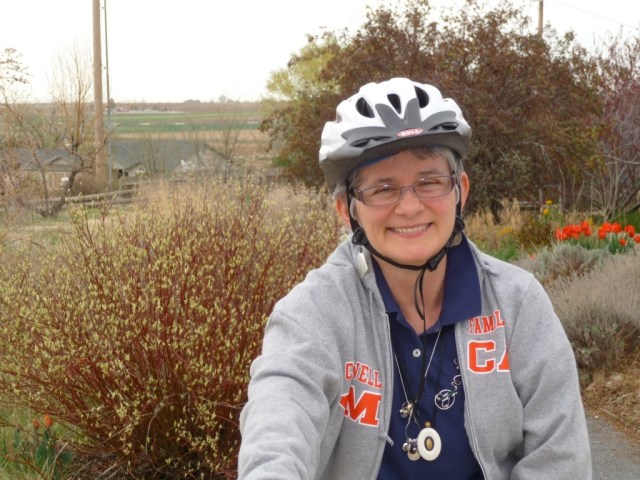
Lynn on 3-wheeler, Spring 2010
  1. Odd as it may seem, perhaps the best metaphor is that living organisms are fountains: Their form and vitality derive from an ongoing flow of materials and energy through the living body. This insight – that living organisms resemble fountains, and they are not statues with moving parts – was something I first learned in graduate school from Professor A.K. Harris, a developmental biologist. There is much more to say about these differences between mechanical objects and life forms, something I hope to explore in other stories. ↩︎
Posted in Creative nonfiction, Essays | Tagged , , , , | Leave a comment

Stories from Nature II. What are stories?

“Authors do not choose a story to write, the story chooses us.” Richard P. Denney

Stories from Nature is my sandbox for exploring fundamental questions: about balancing work and play, the challenges of growing old in a not-so-healthy world, daily struggles and gratitude, our relation to one another and other living creatures, and so forth. (this preface was edited slightly 2.14.25,Valentine’s Day)

I believe that the best way to navigate this vast, uncharted wilderness is to tell stories, stories that arise from my experience as a teacher, and from the beliefs and perspectives I have gained from observing nature and natural processes. The purpose of the stories is not to provide answers, but to explore questions and ideas worth pondering.

While I have genuine concerns about where this world is headed, I don’t want to preach.  I am saying, “This is how I did it, or how I see it,” but I’m not saying you should do it or view it the same way. YMMV.

In this brief preface, what I hope to explain is how stories arise from, or are built from, basic elements – the ingredients, if you will. It’s essential to be honest about what the elements are, and where they come from: which pieces are solid or appear relatively certain, and which parts are more hypothetical, based on inference or malleable. 

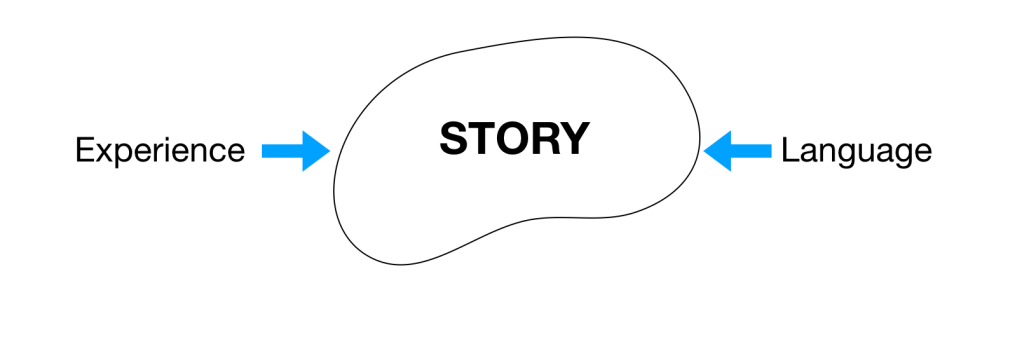
What is a story? To my mind, this question boils down to three main elements: the circumstances, an audience, and a storyteller. The best storyteller must speak from experience, in the sense that “Experience is the best teacher.” Experience, whether a moment, a slice of time or a series of events, becomes a credible lens that allows us to understand the past or to look forward to what the future may hold. 

In other words, the storyteller’s authority is grounded in experience.

Stories are precious lifeblood that can be passed from person to person, across generations, much like other forms of inheritance. Of course, to be effective, stories also rely on language (spoken or written), language chosen by the storyteller to connect with the audience and convey cultural meaning.

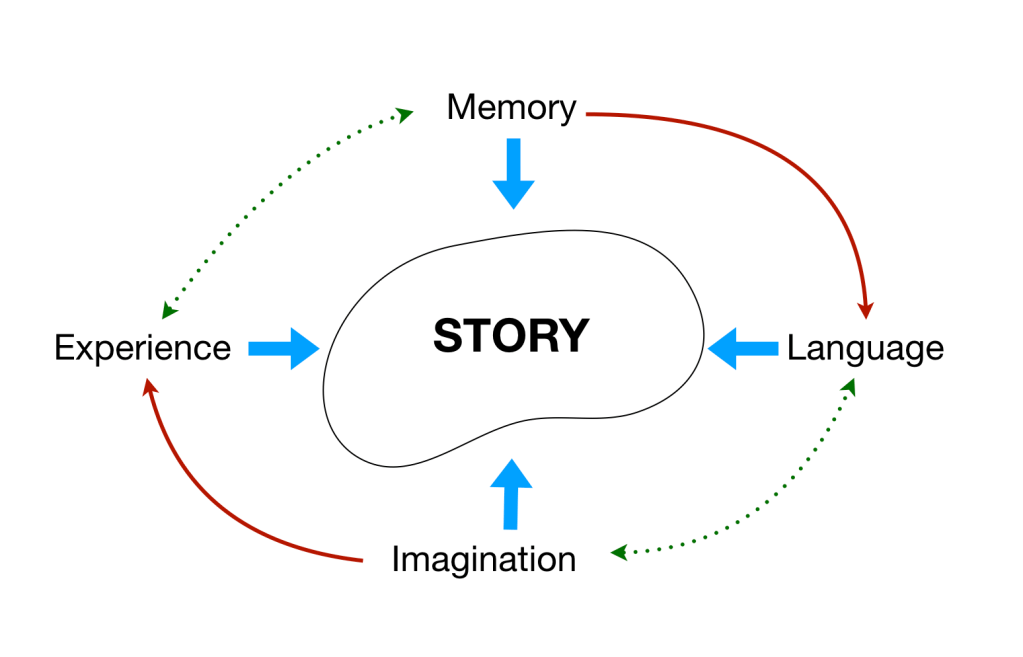
These relationships can be captured in a simple diagram (below):

BASIC STORY ELEMENTS

When I began teaching writing to first year college students, this diagram was a rubric for stories, as presented to me by seasoned professional writers. Essentially, the story sits at the crossroads of language and experience. But the language of the story is not the experience itself. Why?

Looking closer, this schematic says very little about the process or the timing of creating the story or telling it. All experience comes from the past, so the storyteller must remember what happened, in what order and maybe what caused it to happen. Memory is never perfect, not nearly so, but the storyteller relies absolutely on memory to derive meaning or significance from the events and observations. 

And the audience? as they hear or read the story, and probably afterward, the audience must imagine what happened. Now we have brought (fallible) human minds into the mix, one to recall the experience and others to imagine it, with language as the bridge that connects them. As a result, our story rubric becomes more complex:

MEMORY & IMAGINATION IN STORYTELLING


For instance, suppose I want to tell a story about birds that typically used to migrate south but now are overwintering in New England. I have to recall which species these are, make observations that capture important facts, choose appropriate language to engage the reader’s imagination, and connect the points I want to emphasize.

The better I can do these things, the more convincing and engaging the story, and the more effectively the story can guide the audience to see the world through a fresh lens.

I intend that the remainder of Stories from Nature will be mostly built on a general framework like the one outlined above. They will focus on nature itself: what it is, and what it is not. There will be some special terminology involved, but this should be kept to a minimum. Accordingly, I debated about the need for special text features, like footnotes, sidebars and a glossary, but for now I plan to keep things as close to simple narrative as possible. The biologist in me insists on giving others credit where credit is due, and this will probably be handled with footnotes.

My main goal in telling these stories is to share the pure joy of insight and discovery, and convey some of the marvels and mysteries of living creatures (including humans), important aspects that, unfortunately, go beyond the scope of what is usually taught in modern biology courses. 

Posted in Creative nonfiction | Tagged , , , , | Leave a comment

On the Brink

Is there a place for the hopeless sinner who has hurt all mankind just to save his own beliefs?     –   “One Love”    Bob Marley

Yesterday (2.6.2025) was Bob Marley’s birthday. I should be grateful for his music, and celebrating his spirit, but I am not feeling it. Instead, mostly bitter, angry and disgusted.

Where do these feelings come from, and where are they directed?

I studied biology in college and graduate school and beyond. My passion for understanding life and natural systems runs deep. Peculiar and counterintuitive as they may be, living creatures are remarkable.

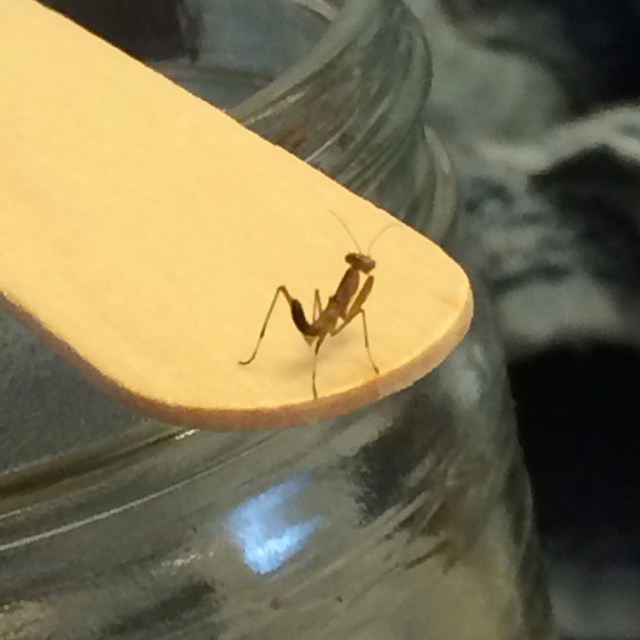
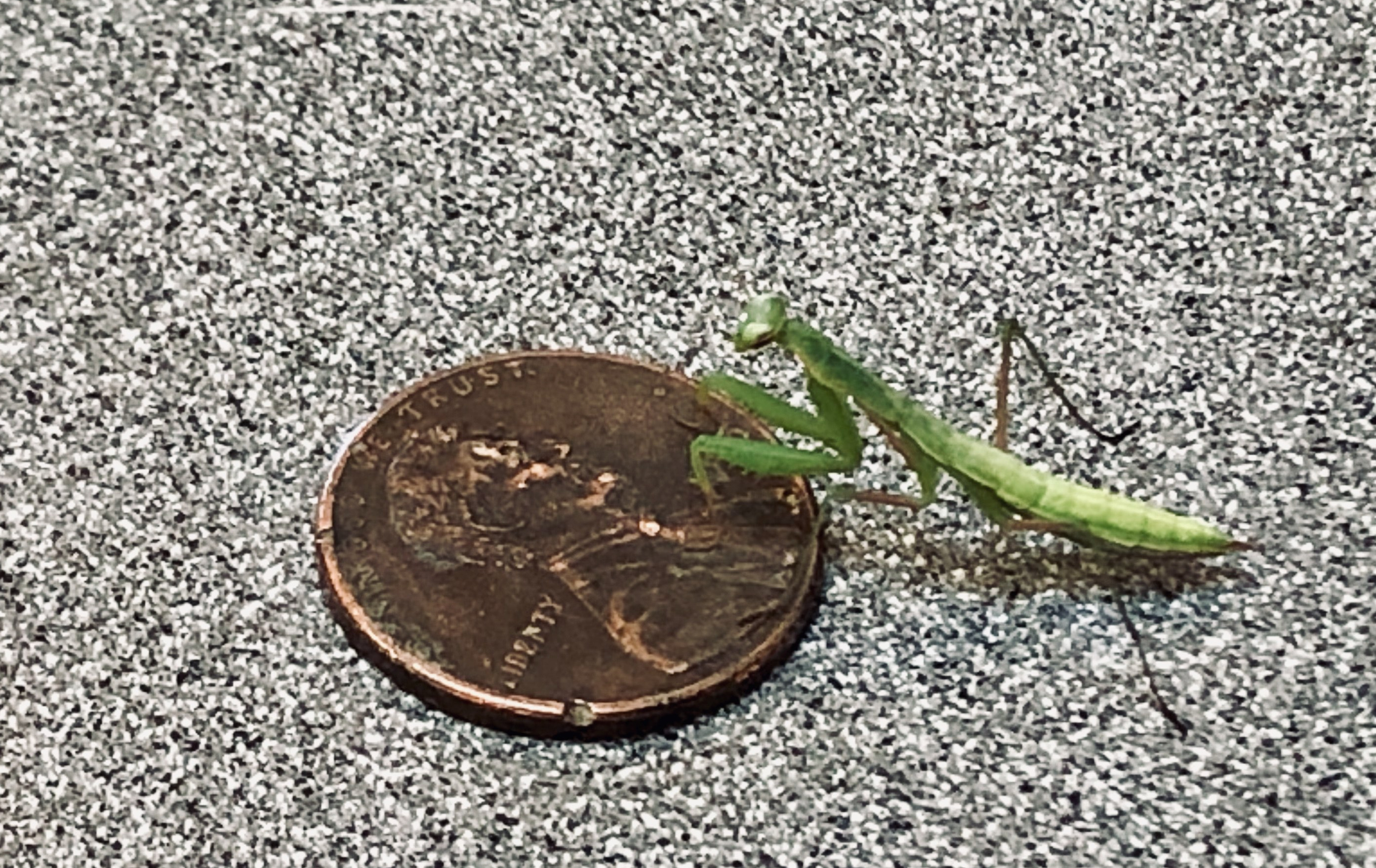
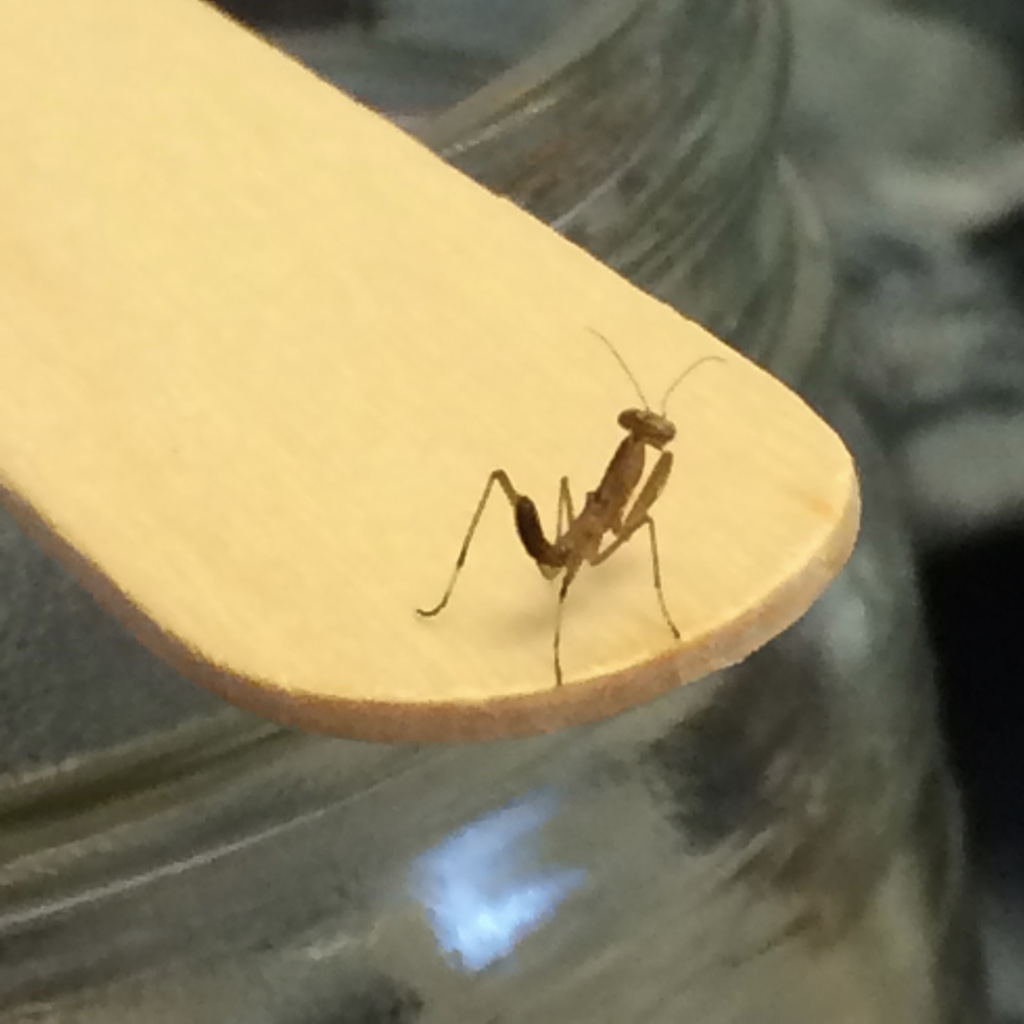
Praying mantis hatchling

I largely followed an academic career path. After reaching the dubious pinnacle of full professor and named chair, I resigned: the politics of academic institutions were simply repulsive. As the saying goes, the in-fighting was so bitter because the stakes were so low.

Together, my wife (also a PhD in the nonprofit sector) and I were just squeaking by in a very low cost-of-living city. Our dreams of a secure future and a healthy standard of living started to slip away.

To make matters worse, when I realized that a new manager at a Taco Bell near the edge of campus would be earning more than I was, it became clear that higher education was being squeezed out in favor of serving fast food. 

Looking back, this American fiasco run amok has sunk deep into the mud, deeper than even a few years ago. 

The rule of law be damned, our corrupt leader serves up a stream of bald-faced lies dressed in ego, profit and greed. Expel immigrants! Stop aid to developing nations! Cut support for education and biomedical research! – the nadir of human enterprise, with a plateful of retribution as appetizer.

The way I see things now, sitting here in this lovely eastern deciduous woodland: Nature, such as I encounter it, is so much more impressive than “human nature”, such as it is called. Humans clearly have the capacity to become pathetic, unnatural beings who struggle to respect anything outside their own narrow, egocentric views.  

We pose the greatest danger to ourselves. Sadly, if we simply stand by and watch, our failure to care for each other and this beautiful planet will be our undoing.

Posted in Creative nonfiction | Tagged , , | Leave a comment

Staying Afloat

(edited February 1, 2025) At the beginning of yoga class last week, one of the instructors commented,” You -or we- need to keep you from becoming an old man…” I think she meant to encourage me, but there was a tinge of “…or else”, a looming threat for me to consider: If I become complacent, careless or lazy, entropy will send me tumbling the way of Humpty-Dumpty, never to be put together again.

Her words ring true. So in true yogic fashion, over the past several days I have been searching for an “opposite” thought, a mantra that conveys success, that slows down father time and preserves my health, or perhaps even improves a bit.

After a while, my mind settled on “Staying Afloat”. Floating, not sinking. Staying, not sliding downhill. Steadfast, not anxious.

But what could I do in the bleak New England winter to turn this thought into practice? In winters past, skiing and ice hockey have been my go-to cold weather recreation, but they probably are too ambitious now. Besides, I am looking for something convenient… something neither intense nor terribly dangerous. So I have taken up recreational skating again.

There’s a rink less than 30 minutes drive from home with a few public skating hours around noon, so I decided to give it the old college try. I have skated there on four separate days, and while I can feel that my legs aren’t in terrific shape, I am able to cruise around at a steady pace for about an hour.

Being back on the ice is a simply fantastic feeling. I can just glide along, let my thoughts wander, leave any troubles behind and sink into a “flow” state. One day last week it was very cold and windy, and I had the rink to myself. I took out my phone and captured one lap, or about 30 seconds of video (link below).

The rink’s website says eleven laps of the rink equal 1 mile. At just under 30 seconds per lap, that’s 2/11 = 0.182 miles per minute, or about 10.9 miles per hour. That seemed pretty good for an old guy who skated just a few times in the past three years, and not for a long time before that, probably 25 years, since we left Vermont.

https://www.instagram.com/reel/DFgUT-kSZrw/?utm_source=ig_web_copy_link&igsh=MzRlODBiNWFlZA==

After playing around with these numbers, I came up with some startling results. Skating at this pace, I asked, “How long would it take me to go 26.2 miles, or to complete one marathon?” The answer: 2 hours and 24 minutes. That means that elite marathon runners (26.2 miles in just over 2 hours) are running faster over ground than I am skating for more than two hours in a row!!

The current marathon world record holder has a stride length of 1.96 meters = 6.4 feet. My walking stride length is about 23 inches, or 0.58 meters = 1.9 feet. At cruising speed it takes about thirty strides to go around the rink once, or approximately 15 feet per stride, which to my surprise also corresponds fairly well to the step count recorded by my phone.

What about professional speed skaters? The world record in the 10,000 meter race is 12:25.70, just under 12 and a half minutes to travel 6.2 miles, with an average speed of 29.8 mph! That’s almost three times faster than I’m skating. Yow! once around the rink in 10 seconds? …not gonna happen…

But this little arithmetic puzzle gives me a new and much deeper appreciation for the skill and athletic ability of elite athletes.

Posted in Creative nonfiction | Tagged , , , | Leave a comment

Yoga and Gratefulness

A couple of years ago, my wife Lynn and I joined a class called “chair yoga”. In part, this was one way to get some exercise, build strength or regain it, meet new people, and keep ourselves alert and engaged – well known defenses against the dark side of getting older.

Before the pandemic, we had lived for nearly 28 years in Idaho. There we had built a routine involving pool exercise at the local YMCA, pedaling a stationary bike, or riding a three-wheeler in a local park or cemetery. But during the pandemic many of those options simply evaporated.

In 2021 we decided we had better leave Idaho and move closer to family in New England. The three-wheeler came along with us, but we soon found that basically we were starting over with building a personal exercise program. Chair yoga soon proved to be one easily accessible option for staying active in our new surroundings, a 55+ community in western Massachusetts.

At first, the chair yoga classes were small, six or eight people, and I was the only man in attendance. I admit being skeptical, thinking, “How can you get any exercise sitting in a chair?”

But Lynn is a stroke survivor, and fiercely determined at that. Staying active is especially important to retain her strength and flexibility, and to preserve the substantial improvements she has made since her stroke in 2005. That meant that chair yoga would become a cornerstone of our new exercise program.

What is yoga? With only a bit over two years of yoga under my belt, I’m certainly not qualified to speak with authority, but I can relate my experience and observations. And there are many yoga flavors and sizes out there, so your experience will depend on the approach that your yoga teacher takes.

Important elements of yoga include breathing, body movements, energy, self-assessment, letting go of stress or tension, and of course, holding particular poses and postures. Our teacher Heidi likes to organize each yoga session into “chapters” – breathing, linking breath and movement, reflective shutting down of senses, and finally taking stock of oneself, followed by detachment. Of course, many of the classic postures associated with floor yoga must be modified for people sitting in chairs. But those modifications don’t preclude enormous benefits that come from proper breathing linked to movement.

So where does gratefulness come into the mix? Actually, in several ways:

Ahimsa, or “do no harm”. If it hurts, back off, modify to suit yourself on that particular day. On each day one must start from where you are on that day, and act accordingly. Another way to view ahimsa is an approach building harmony.

Santosha (Yoga Sutra II.42), or “managing unmet needs and desires”. A rough translation of Yoga Sutra II.42 is, “from contentment supreme joy is attained.”

To my way of thinking, santosha is the heart of gratefulness in yoga. Practicing contentment involves three phases – awareness, attention, and taking joy in what we have. Building on this, santosha becomes a form of mindfulness linked to valuing what we have, listening to our basic needs, and taking steps to satisfy them.

In question form: what do I already have? what do I need? and once those needs are met, can I appreciate the new feelings of satisfaction?

The key to contentment, then, is to cultivate habits of mindfulness. Listen to our bodies; appreciate and enjoy what we already have; treat unmet desires with respect and compassion; and feel gratitude for the resulting peacefulness, freedom and wholeness.

Stay tuned for more about mindfulness, yoga and related topics in future posts!

Posted in Journal | Tagged , , , , | Leave a comment

Stories from Nature – I. Preface

The new tagline for AnOutdoorEducation is “Stories from Nature”. As I turn my attention toward making this site more useful, content-rich and engaging, some of the older posts already feel a bit wordy and outdated.

So I hope to rekindle your interest by simplifying things. Just “three little words”, as the Nat King Cole song suggests, are enough to convey a great deal.

Stories

from

Nature

Surely all these are simple and familiar concepts. But as I hope to show, there is more here than meets the eye.

So my goal is to explore each term –story, nature, and from– singly and in combination, to expose somewhat cryptic aspects of their underlying concepts, and finally, to explore lessons that these terms may hold for us.

This undertaking is particularly important in the current political turmoil that threatens our own very existence. And while I do not intend to focus here on political issues per se, disturbance and corruption of our natural world are simply impossible to ignore.

Let’s begin with the middle word –from. It sits between the other two, both of which are capitalized. The middle spot suggests that “from” connotes a relationship. But looking closer, “from” can indicate many different types of relationships.

  1. We say, “I come from Alabama with a banjo…” to indicate a place of origin, a source, if you will.
  2. To indicate a specific time period or reflect the passage of time, we say, “The dance will take place from 8pm until midnight.” Or: “The daffodils normally bloom from early May until mid-June.” Finally, “From here to kingdom come!” indicates (by exaggeration) something that lasts forever.
  3. From can also indicate likeness or dissimilarity: “Oh, all those darn yellow meadow flowers… it’s impossible to tell one from another!” “Can you explain how to tell a moth from a butterfly?”
  4. Back to the dance example: “He was only 16, but I couldn’t stop Billy from drinking the rum punch” indicates (intended) exclusion.
  5. And finally, causation: “Billy had a few glasses of punch and got sick from the alcohol.”

So what does it mean when we say “Stories from Nature”? This usage suggests many things: 1 (place of origin), 2 (time period), 3 (natural vs unnatural), 4 (attempts to control nature) and 5 (causes of natural phenomena). If we consider 1 and 5 together, nature offers some special meanings of from: genetic causes, biological origins (crossbreeding), disease vectors (viruses or bacteria), and environmental conditions that induce, limit or foster particular outcomes.

From covers a whole gamut of things, from A to Z, including the way natural processes normally work, what happens when humans interfere, by overproduction, modification, or disruption of natural balance.

Comments on Stories and thoughts about Nature will be added soon.

Posted in Creative nonfiction | Tagged , , , | Leave a comment

New Year’s resolution 2025

First of all, I feel like should make a few comments about the new year’s resolution ritual itself.

In my experience, one well-crafted resolution is enough. If there are more goals or stipulations, it helps to have some glue or threads to keep them together. Finally, though I am deeply annoyed with the current disarray and shameful state of US politics, I will leave those matters aside.

In a nutshell, my New Year’s focus will be on being grateful: recognizing and appreciating what we have or what we can reach, much like in the yoga tradition of “supreme joy arises from contentment.”

Moving and getting settled in New England (fall 2021) after 28 years in Idaho has been quite an undertaking. But now we are much closer to family, and we are making new friends as well.

My goal, then, is simply to be enough, even though I am stretched to my limit and sometimes beyond. I cannot appreciably change our circumstances, but I can control my response to them. While under duress, can I still be grateful and can I feel contentment? And in the process, can I gain a better understanding of myself, our needs, fears, and the challenges we are facing?

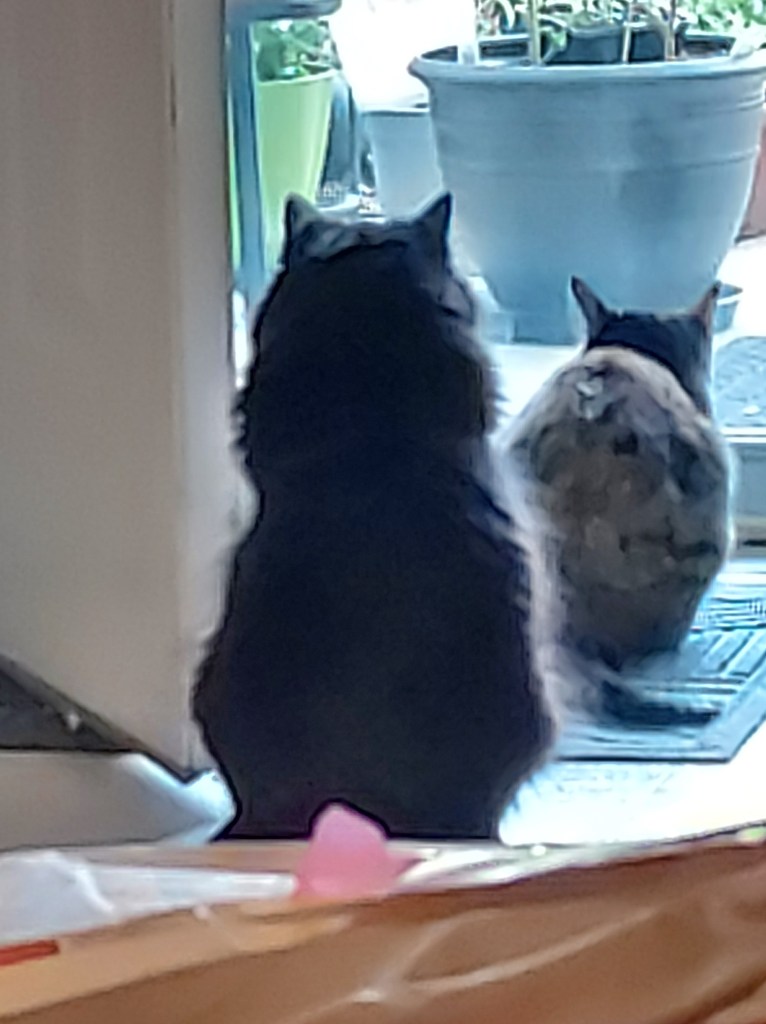
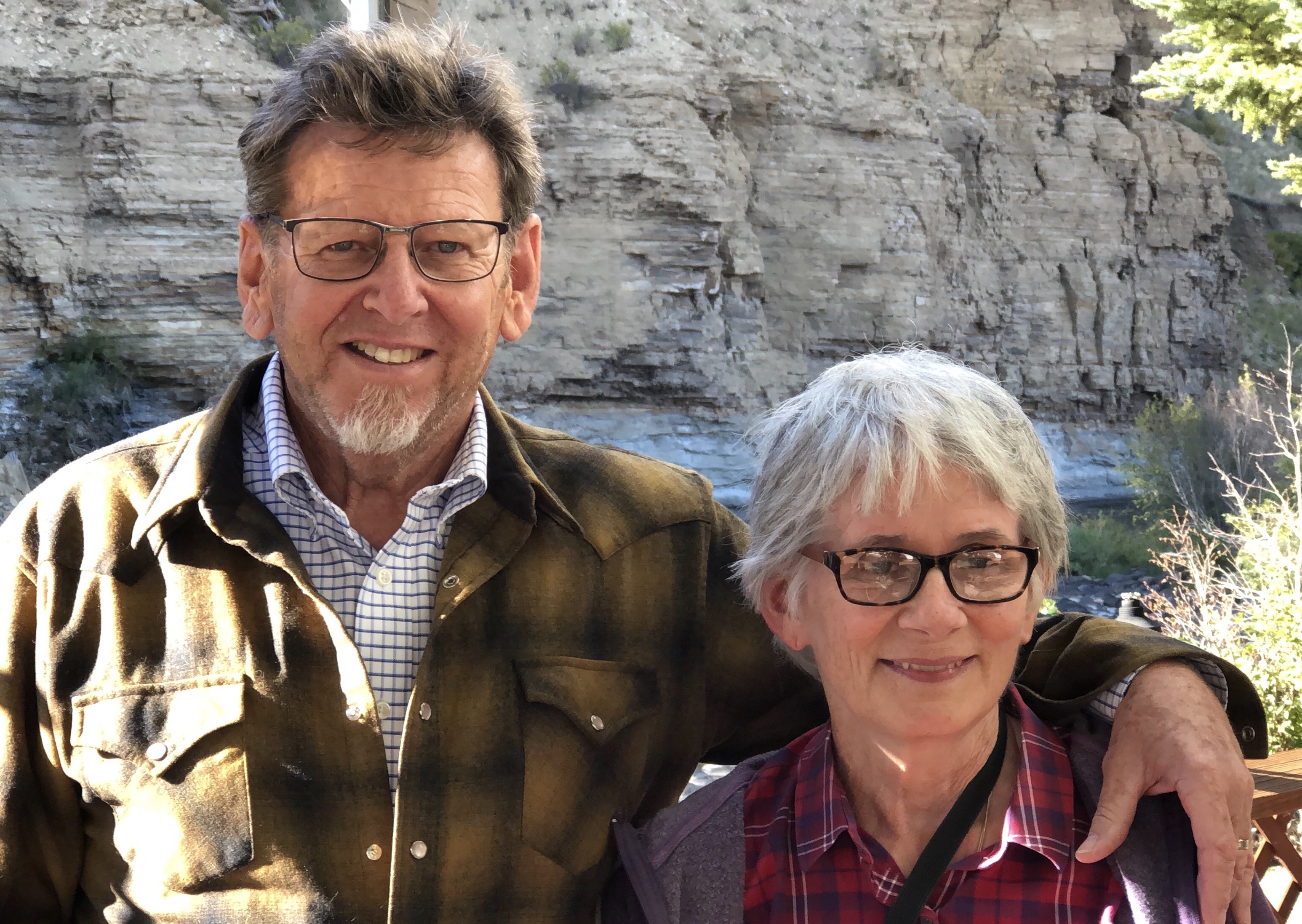
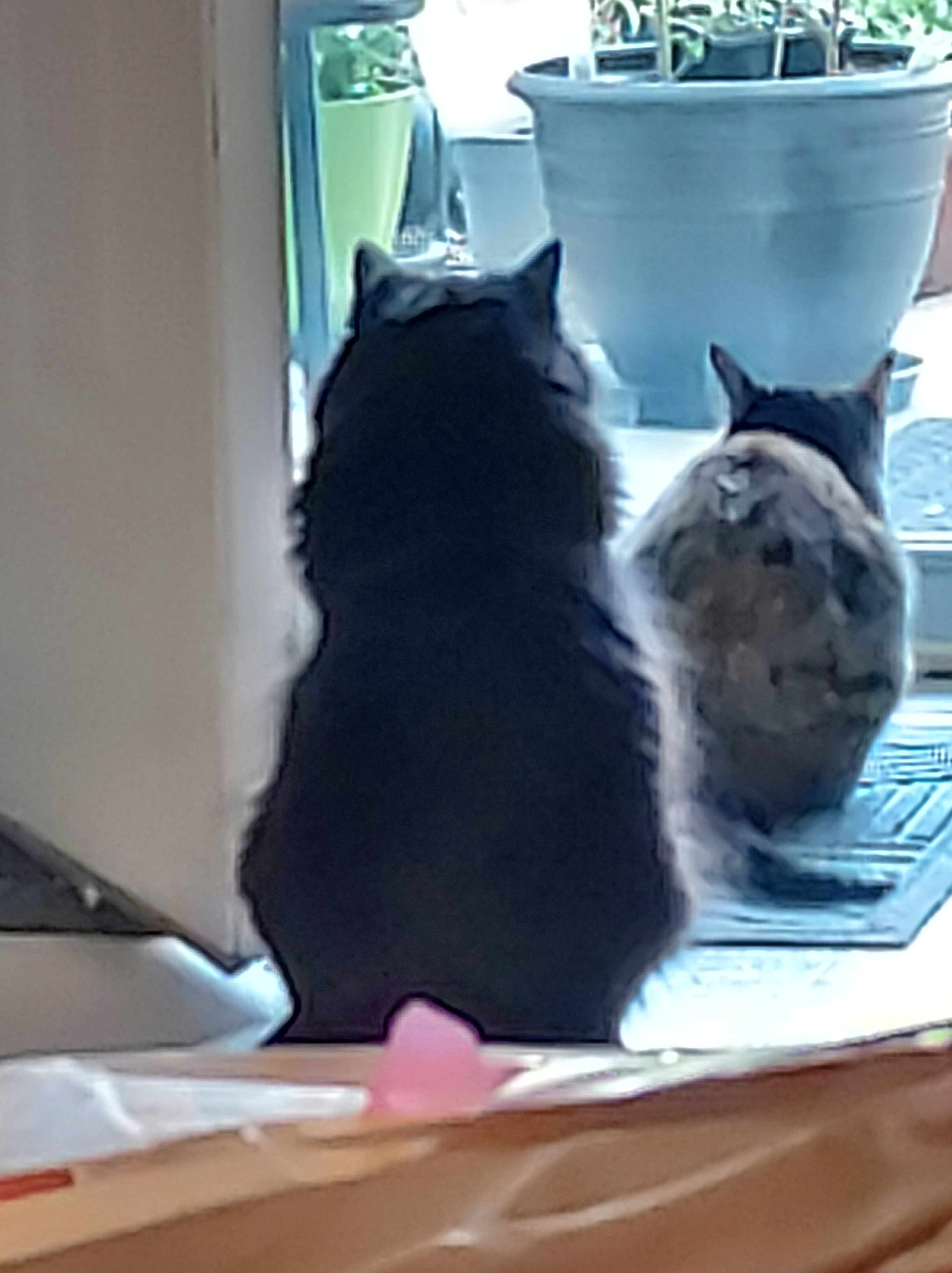
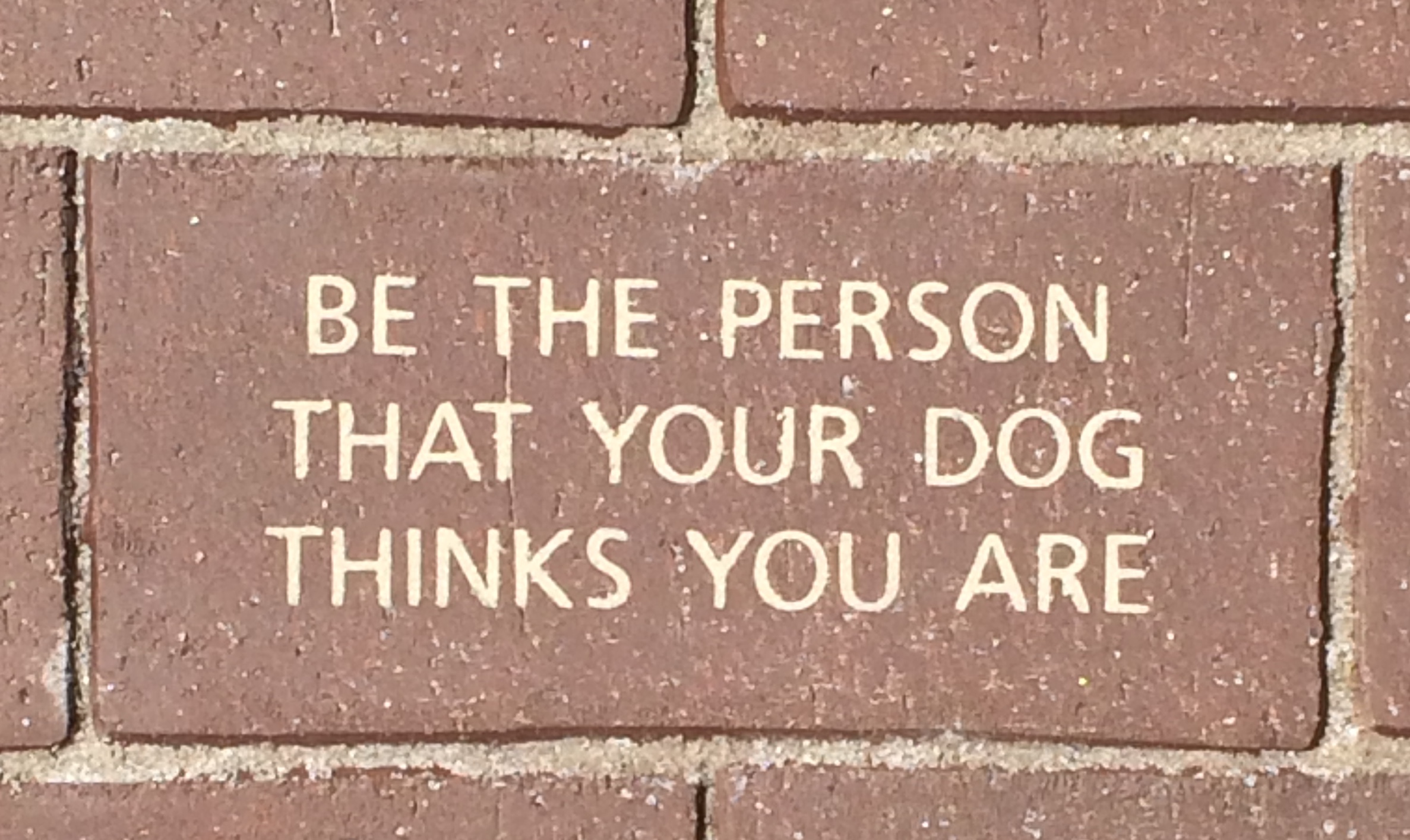
Perfection is out of the question. Instead I hope to become more mindful, and along the way create a bit of space for yoga, walking, nature and wildlife, skating, music, friends, good food and other things that make us content. Photos below (top, clockwise): Creede CO ca. 2020; Arlo and Tully, 2022; good advice, timeless; skater gliding; aspire to be more.

Posted in Essays, Journal | Leave a comment

Twelve Days of ….

Many years ago my wife Lynn and I devised our own version of a Christmas tradition. We celebrate with this simple ritual based on the “Twelve Days of Christmas” song and concept: one gift per day, beginning on December 25 (or sometimes the eve of 12.24.xx), for twelve days in a row.

Now 12 presents may seem extravagant, but the gifts are often more like stocking stuffers than fancy or expensive things. Gift card for movie tickets, dinner at a local restaurant, replacement for a dish broken in the past year – it’s all good.

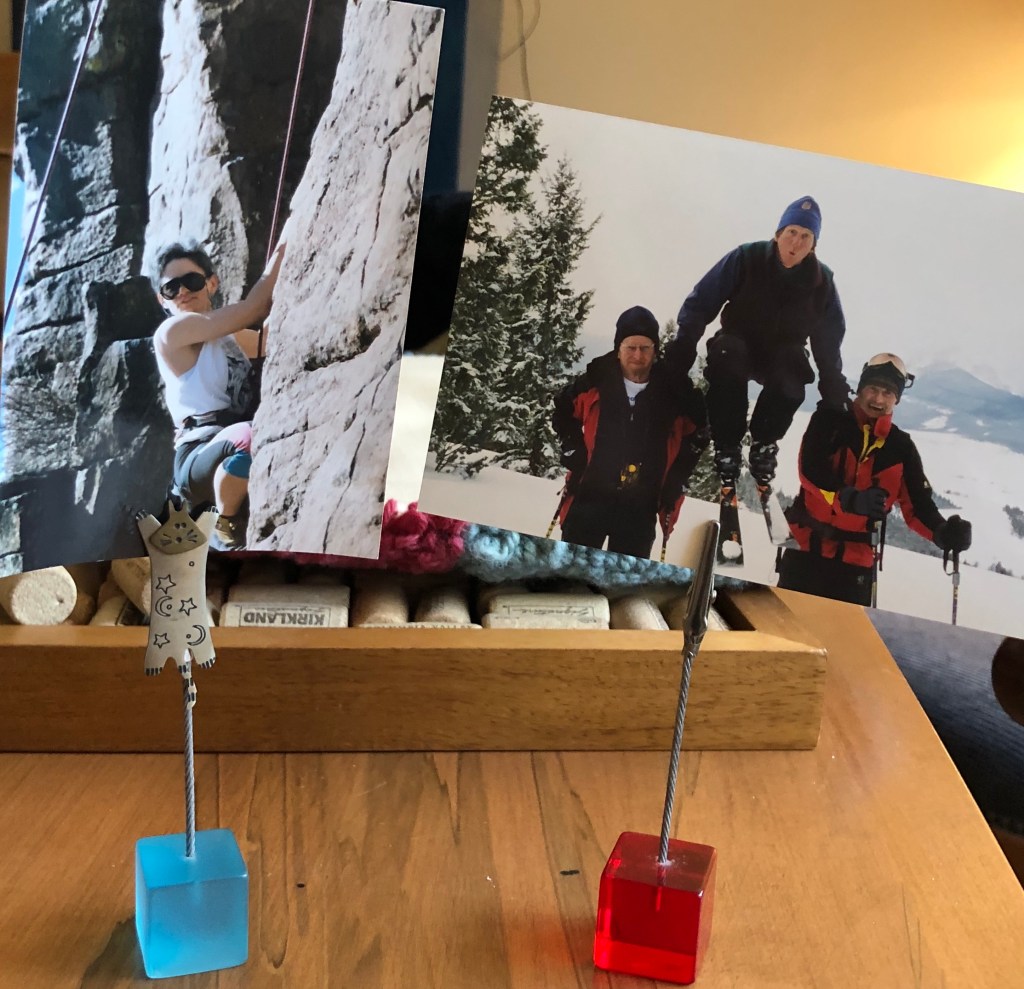
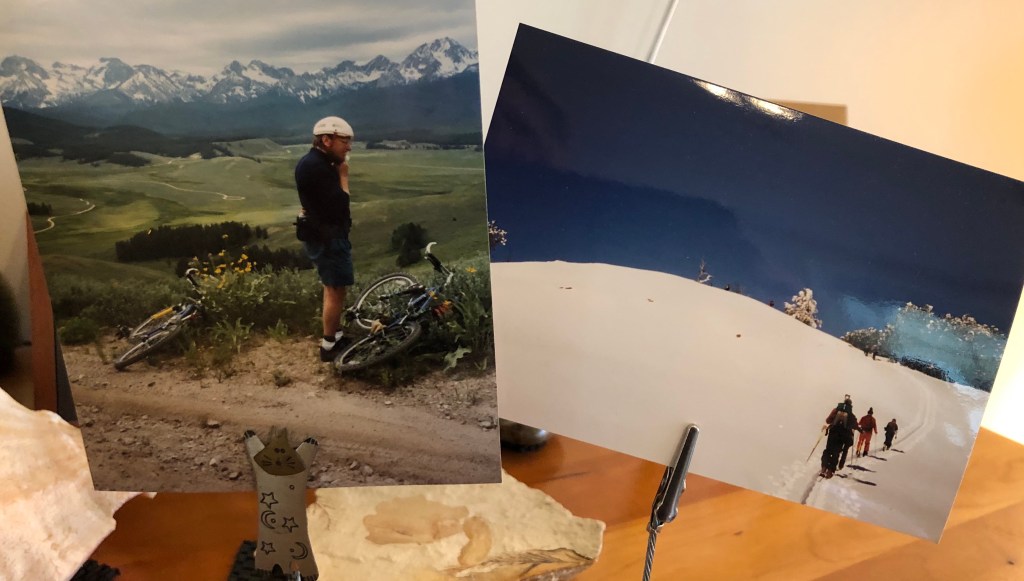
This year on the Fourth Day (yesterday) Lynn gave me three alligator clips for displaying photos (two of them shown below). Her instructions were to sift through old photos and find a significant image or 3, and display those as I see fit to commemorate a special moment, a past achievement, a vacation, a skill…. whatever I feel that should be recognized.

In this spirit, I’m posting here two images, exact dates unknown, but still characteristic of bygone days. One shows Lynn rock climbing in Colorado in the mid 1990s. The other picture shows two friends and I -Sean (middle) and John (right) atop some ridge in Idaho’s Sawtooth Mountains. The picture was probably taken by a student on our 5-week backcountry project during Winter Term at the College of Idaho.

By posting this initial picture, I’m committing to continue posting additional images across the remaining seven days of Christmas 2024. If there is a unifying theme, I think it will be pictures of nature or snapshots taken in natural settings.

Cheers,

Timmo Dec 29, 2024 (5th Day)

Lynn rock climbing in CO; Backcountry clowns in Sawtooths, ID.

Earn your turns – summer and winter scenes in the Sawtooth Mountains (ID) sometime between ~2000-2005. Ride or climb up, get rewarded with a hell of a ride down. Posted on Day 6 of Christmas, December 30, 2024. Below: Mostly smallish creatures in Idaho, (except wind-shaped tree along the Kona coast: Big Island > next-to-bottom right).

Posted in Creative nonfiction, Essays | Tagged , , | Leave a comment

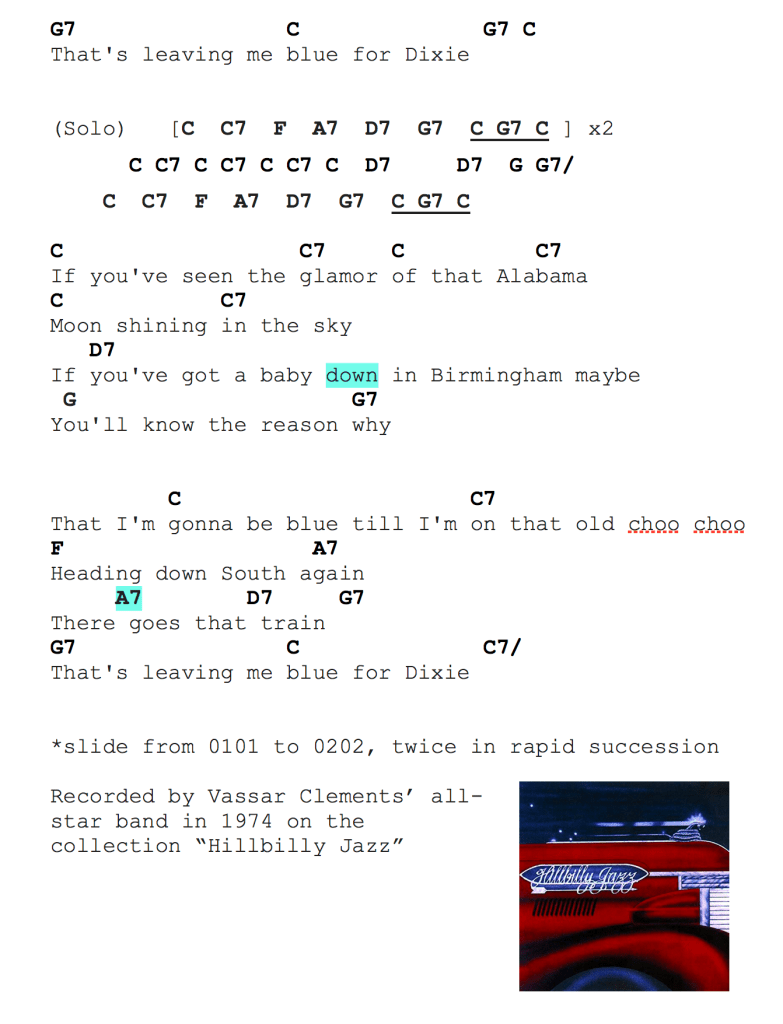
Blues for Dixie

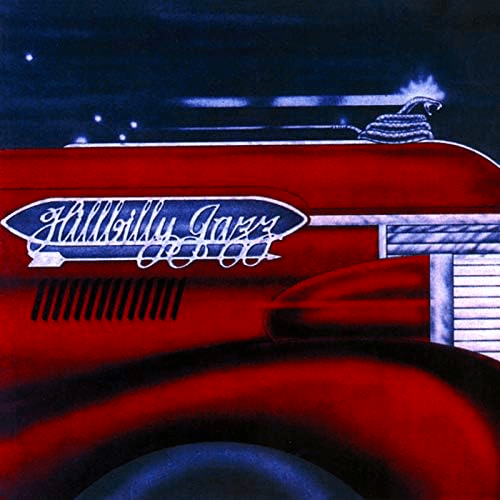
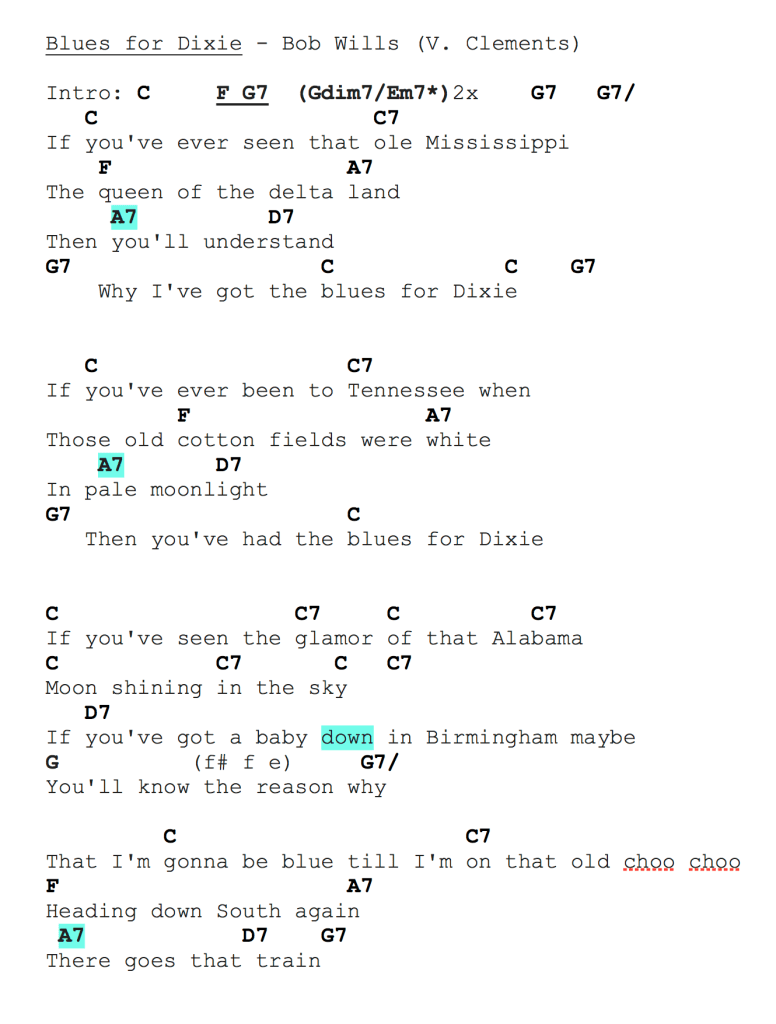
A texas-swing style song made popular by Bob Wills and his Texas Playboys. Recorded in 1974 by Vassar Clements’ all-star band on the collection titled “Hillbilly Jazz.”

Adapted for GCEA ukulele by Tim Otter. For educational use only. Not for commercial purposes.

Posted in Music/Uke Resources | Leave a comment

Notes about Tabs; Tabs about Notes

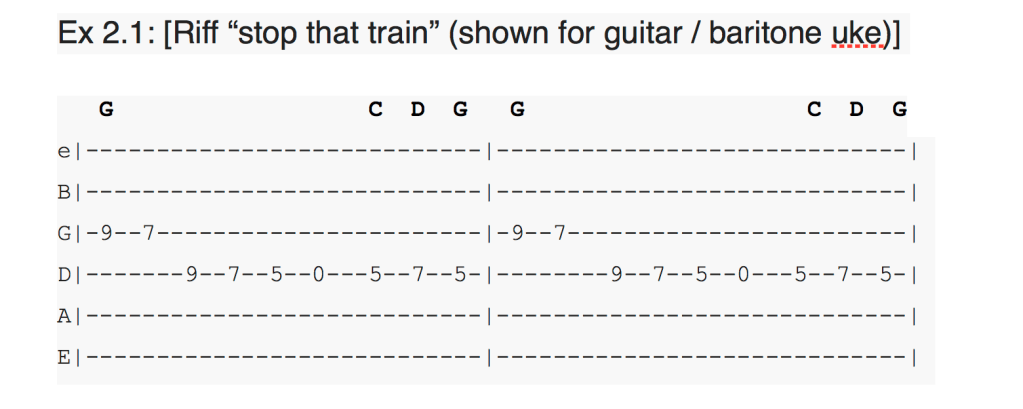
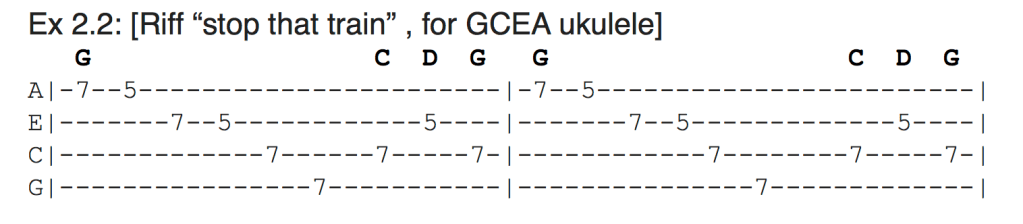
Uke tab notes 1 – “Stop That Train” Riff

Because there are so many guitar tabs available on line, the comments below may be useful in trying to create ukulele tab from guitar tab. But honestly, this is no simple task.

My goal here is to make suggestions on how to get started, and to write a few simple tabs for ukulele that will spice up familiar ukulele songs with easy chords. The first example is the opening riff for Stop That Train (P. Tosh), as recorded by Bob Marley and the Wailers (1973)

Rule 1: Capo5 guitar = GCEA ukulele

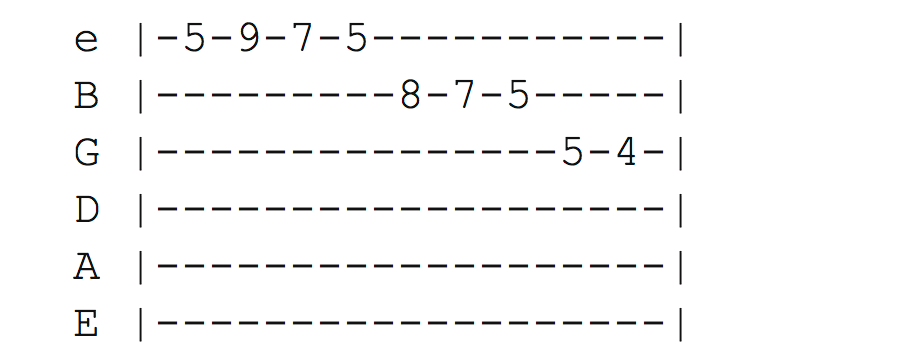
Since the ukulele is tuned the same as a guitar with a capo at the 5th fret, almost any number on a guitar tab higher than 5 can be played on ukulele, simply by subtracting 5 from the guitar-tab number. For instance, if the guitar tab looks like this:

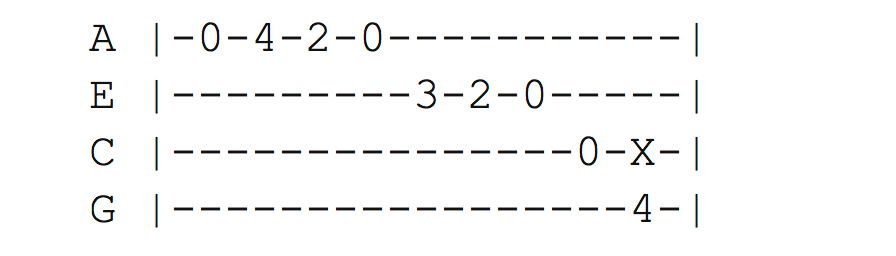
You could play it on ukulele as shown below; however, in this example, X (B note) is 2 semitones below the open note for the C string, so instead the “X” can be played on the 4th fret of a uke with low-G string.

The riff shown in example 2 (notes: e d b a g d g a g) can be played on a baritone uke (DGBE), where the low d note is played on the open the D string.  On a guitar, there are other ways to play this riff that involve playing the lowest tones on the A string.

However, the above tab is too low to play on a low G ukulele using the simple “capo 5” rule. As a result, on a standard uke (GCEA) the riff notes must be played an octave higher, using the capo 5 rule above.

The riff notes are played on the 7th and 5th frets in the following pattern.

The corresponding notes on a DGBE baritone ukulele for the “stop that train” riff (and precisely the same “box” fingering pattern) are located 5 frets higher, on frets 12 and 10 of the baritone. Try it!

As the above examples show, the baritone ukulele can be useful as an intermediate between guitar and GCEA ukulele. The four highest strings on the baritone are precisely the same as the corresponding guitar strings. But any guitar tab that includes notes on the A and E strings will have to be modified for ukulele, for example, by playing the tab an octave higher on the ukulele.

Video of this riff played on baritone ukulele is available on Instagram @Uropha (3/6/24 post).

Posted in Music/Uke Resources | Leave a comment